
Introduction
In the realm of architectural design, the ability to convey a vision with precision is paramount. Photorealistic architectural renderings have emerged as indispensable tools that bridge the gap between conceptual ideas and tangible reality. By employing advanced 3D modeling techniques and sophisticated rendering software, these high-fidelity visuals not only replicate the nuances of light, materials, and textures but also encapsulate the intended atmosphere of a space.
This article delves into the intricacies of photorealistic renderings, exploring their defining elements, advantages, and diverse applications. As the architectural landscape continues to evolve, understanding the impact and potential of these renderings becomes crucial for architects and stakeholders alike, ensuring that every detail is meticulously represented and communicated for optimal project outcomes.
Understanding Photorealistic Architectural Renderings
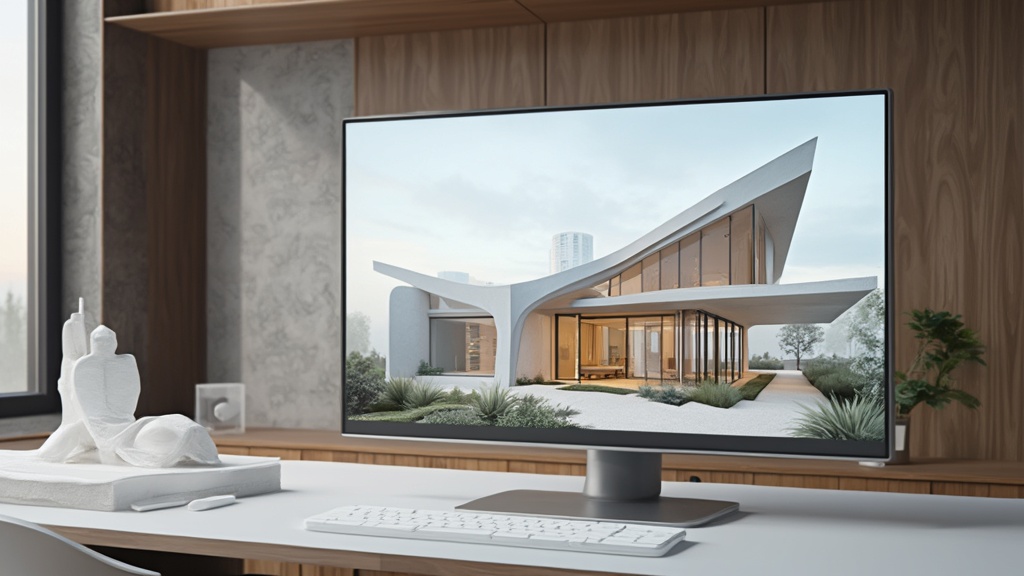
Photorealistic architectural renderings are highly detailed visual depictions of architectural concepts that aim to mimic real-life imagery. These visualizations utilize advanced 3D modeling techniques and sophisticated software to create images indistinguishable from actual photographs. The process involves simulating light, materials, and textures to produce visuals that represent the design concept and evoke the intended atmosphere of the space.
Notably, interior illustrations focus on artificial lighting and intricate material textures, while exterior visuals emphasize the interplay of natural sunlight and durable materials, highlighting their resilience against environmental elements. By accurately depicting elements such as shadows, reflections, and environmental context, photorealistic architectural renderings serve as powerful tools in design communication and marketing. They enhance customer understanding, improve stakeholder involvement, and identify problems early.
Furthermore, the immersive nature of visualizations fosters community connections, allowing potential residents to envision their future homes within the broader context of the community. This ultimately reinforces the significance of detail in design visuals, ensuring that every aspect of the concept is communicated effectively, leading to stronger project outcomes and satisfied clients.

Key Elements That Define Photorealistic Renderings
The key elements that define photorealistic architectural visuals include:
- Lighting: Effective illumination is crucial in creating realism. Natural light, artificial light sources, and shadows must be accurately simulated to create depth and dimension.
- Textures and Materials: Realistic textures and materials improve the visual attractiveness and authenticity of the depiction, capturing the essence of the concept. This includes the properties of surfaces, such as glossiness, roughness, and transparency.
- Composition: The arrangement of elements within the frame is vital for guiding the viewer’s eye and creating a balanced image. Techniques such as the rule of thirds and leading lines are often employed.
- Environmental Context: Incorporating surrounding elements, such as landscaping, buildings, and atmospheric effects, situates the architectural concept within its intended environment, adding to the realism.
- Precision and Detail: Achieving accuracy in illustrations is paramount; meticulous attention to detail and collaboration with stakeholders ensure that every aspect of the project, from scale to materials, is faithfully represented. This commitment to detail not only enhances the visual quality but also facilitates effective communication among architects, clients, and contractors, eliminating design misunderstandings and identifying potential issues early in the process. Utilizing advanced software such as Autodesk Revit, SketchUp, and V-Ray facilitates the creation of photorealistic architectural renderings that accurately depict textures and lighting effects, while varying levels of detail can be tailored to meet the needs of different stakeholders, ensuring that contractors have a clear visual reference to minimize ambiguity in the construction process.

The Advantages of Photorealistic Architectural Renderings
Photorealistic architectural visuals offer numerous advantages, including:
- Enhanced Communication: They provide photorealistic architectural renderings as a clear visual representation of the design, facilitating better understanding and interaction between architects, customers, and stakeholders. Client testimonials affirm that at J. Scott Smith Visual Designs, our focus on collaboration leads to lasting partnerships and exceptional results. One client remarked, ‘The illustrations turned our vision into reality, making it easy for us to convey our ideas.’
- Enhanced Marketing: High-quality visuals, particularly photorealistic architectural renderings, can significantly boost marketing efforts, making properties more attractive to potential buyers or investors. Our pre-sales visualization techniques have proven to ignite interest and investment well before project completion, generating crucial revenue for construction. For example, one project experienced a 30% rise in inquiries after we shared our photorealistic architectural renderings.
- Client Confidence: Clients are more likely to feel confident in their investment when they can visualize the final product accurately with photorealistic architectural renderings, reducing misunderstandings and revisions. The favorable comments received from customers demonstrate how our thorough visuals not only meet but surpass expectations, instilling trust and satisfaction.
- Decision-Making Support: Renderings aid in the decision-making process by allowing clients to visualize different design options and make informed choices. The final set of photorealistic architectural renderings encapsulates the functionality and aesthetic appeal of a project, serving as a powerful marketing tool for pre-sales and enhancing overall effectiveness.

Exploring Different Types of Photorealistic Visualizations
There are several types of photorealistic architectural renderings, each with its own purpose and impact.
Exterior Renderings: These concentrate on the building’s exterior, highlighting its appearance within the context of the surrounding environment, which assists in establishing the suitable level of detail for both homeowners and businesses. The level of detail can vary significantly based on the audience; for instance, homeowners may require more intricate details that evoke emotional connections, while businesses might prioritize functional aspects.
Interior Renderings: These provide a glimpse into the interior spaces, highlighting design elements such as furniture, lighting, and materials, allowing individuals to visualize their future homes and fostering a deeper connection to the project.
360-Degree Views: Interactive visualizations that enable users to explore the space from multiple angles, enhancing engagement and understanding while improving stakeholder communication.
Animations: Moving images that offer a dynamic perspective of the project, frequently utilized for presentations and marketing objectives, showcasing the immersive effect of visualization in design.
Virtual Reality: Immersive experiences that allow users to ‘walk through’ a space, providing a thorough understanding of the layout and pinpointing potential issues early, which is essential for efficient project management.
Partnering with J. Scott Smith Visual Designs ensures access to professional 3D modeling services that provide photorealistic architectural renderings to visualize and bring to life structural concepts with precision. Our joint creation phase includes repeated visualizations based on customer input, enabling us to improve the degree of detail to meet the unique requirements of each stakeholder, ultimately enhancing the overall project result.

Practical Applications of Photorealistic Renderings
Photorealistic architectural visualizations have several practical applications, including:
- Real Estate Marketing: Photorealistic architectural renderings are essential for showcasing properties before construction, enhancing buyer interest and attracting potential investors by providing an immersive experience.
- Client Presentations: Architects utilize photorealistic architectural renderings to clearly convey concepts, fostering meaningful discussions and obtaining valuable feedback from clients. This enhances engagement and helps build lasting relationships based on trust and understanding, as evidenced by testimonials from our satisfied clientele.
- Planning and Approvals: Photorealistic architectural renderings play a crucial role in securing necessary permits and approvals by offering regulatory bodies a clear and detailed representation of the proposed project, thereby streamlining the approval process.
- Design Development: Photorealistic architectural renderings serve as a vital tool for architects to refine and iterate on concepts, enabling the visualization of changes and improvements before construction begins. This proactive approach helps identify and resolve potential design issues early, ultimately streamlining project workflows. Furthermore, our expertise extends to creating detailed visualizations for both interior and exterior projects, ensuring a comprehensive representation of the architect’s vision.

Conclusion
Photorealistic architectural renderings stand as a pivotal advancement in the field of architecture, merging artistry with technology to convey design concepts with unparalleled clarity. By employing sophisticated 3D modeling techniques and rendering software, architects can create visuals that not only reflect the intended atmosphere but also allow for a nuanced understanding of light, materials, and spatial relationships. This precision in representation is essential for effective communication among architects, clients, and stakeholders, facilitating collaboration and minimizing the potential for misunderstandings.
The myriad advantages of photorealistic renderings further underscore their significance in architectural practice. They enhance marketing efforts, instill client confidence, and support informed decision-making, ultimately leading to more successful project outcomes. By providing a clear visual narrative, these renderings transform abstract ideas into tangible experiences, enabling clients to engage deeply with the design process.
As the architectural landscape evolves, the role of photorealistic visualizations will only grow more critical. The diverse applications—from real estate marketing to client presentations and design development—demonstrate their versatility and impact. Embracing these advanced rendering techniques not only elevates the quality of architectural communication but also enriches the stakeholder experience, ensuring that every detail is meticulously represented and understood. In this rapidly advancing field, leveraging the power of photorealistic renderings is not merely advantageous; it is essential for achieving excellence in architectural design and execution.
0 Comments